Why Installing a Viper Car Alarm Is a Smart Upgrade for Long-Term Vehicle Protection
The Complete Guide to Understanding and Choosing the Right Viper Car Alarm System
Vehicle security has become a major concern for drivers in every type of environment, from busy urban centers to quiet suburban neighborhoods. Car theft, unauthorized entry, and vandalism continue to create financial and emotional stress for vehicle owners around the world. While many newer vehicles come with factory-installed security features, those systems often provide only basic protection and may not be enough to stop determined criminals. That growing security gap is why aftermarket vehicle protection systems have become increasingly popular among drivers who want stronger defense and greater peace of mind.
One of the most trusted names in the aftermarket vehicle security industry is Viper Car Alarm, a brand widely known for combining advanced security technology with practical convenience features. From simple alarm systems to premium smart-connected platforms, Viper offers solutions designed for many different vehicle types and driver lifestyles. Choosing the right system requires understanding how these alarms work, which features matter most, and how those features translate into real-world protection. A well-informed decision can help drivers protect their vehicles more effectively while improving daily convenience.
Why Vehicle Security Matters More Today
Vehicle theft has changed dramatically over the past several years. Traditional theft methods such as forced entry and broken ignition systems still occur, but modern criminals increasingly rely on electronic tools. Signal boosters, cloned key fobs, and relay attacks now allow thieves to target vehicles equipped with keyless entry systems without causing visible damage. This makes many factory-installed protections less reliable than owners often assume.
At the same time, full vehicle theft is only part of the problem. Smash-and-grab incidents, wheel theft, catalytic converter theft, and interior theft continue to rise in many areas. Even when the vehicle itself remains in place, repair costs from broken windows or damaged locks can be significant. A stronger alarm system helps create multiple layers of defense, discouraging opportunistic criminals and increasing the likelihood that theft attempts fail before serious damage occurs.
The Difference Between Factory and Aftermarket Security
Many drivers mistakenly believe factory security systems are enough because their vehicles already include remote locks and basic alarms. While these features provide some protection, automakers typically design them to meet general market expectations rather than maximize theft prevention. Their goal is mass production efficiency, not premium security performance.
Aftermarket systems are built with a different purpose. They focus specifically on stronger detection, better deterrence, and more user control. They often include upgraded sensors, advanced immobilizers, longer-range communication, and remote monitoring tools. These additional layers create a more difficult target, which is exactly what effective vehicle security should accomplish.
Why Viper Remains a Leading Security Brand
Brand trust matters when choosing any security product because reliability is essential. An alarm system must function correctly at the exact moment it is needed. Viper has earned long-term consumer trust by focusing specifically on vehicle security innovation for decades. Its systems are widely recommended by professional installers because of their consistent performance and broad compatibility.
Another reason for the brand’s popularity is product flexibility. Not every vehicle owner has the same security needs. Some want simple break-in alerts, while others want smartphone connectivity, remote start, and location awareness. Viper offers systems at multiple levels, making it easier for buyers to find products that match both their security priorities and budget limitations.
Understanding Core Alarm Components
Most modern vehicle security systems rely on several key components working together. The central control module serves as the system’s brain, receiving information from sensors and determining how the system responds. If suspicious activity occurs, this module activates alarms, sends notifications, or disables vehicle functions depending on system programming.
Additional hardware often includes sirens, door triggers, shock sensors, starter disable modules, and remote transmitters. Higher-end systems may include tilt detection, glass-break sensors, motion detectors, and smartphone communication tools. Understanding these components helps buyers compare products more intelligently rather than relying only on marketing descriptions.
The Value of Shock Sensors
Shock sensors remain one of the most important parts of any vehicle alarm. Their purpose is to detect physical impacts such as forced door entry, broken windows, or attempted vandalism. When properly calibrated, they trigger alerts before significant damage occurs.
Older systems often suffered from oversensitivity, causing frequent false alarms. Modern systems have improved significantly by offering adjustable sensitivity settings and better impact recognition. This allows installers to customize performance based on vehicle size, parking environment, and owner preference. Accurate detection makes a major difference in overall user satisfaction.
Tilt Sensors and Theft Prevention
Not all vehicle theft involves opening doors or breaking windows. In some cases, thieves tow vehicles away or steal expensive wheels and tires directly from parked cars. Tilt sensors help protect against these risks by detecting changes in vehicle angle.
If someone attempts to jack up the vehicle or tow it without authorization, the alarm can activate immediately. This feature is especially useful for trucks, sport utility vehicles, and luxury vehicles with expensive wheels or suspension components. Many buyers overlook tilt protection, but it can be highly valuable depending on parking habits and local theft trends.
Motion Detection Inside the Vehicle
Interior motion sensors add another important layer of security. They monitor movement inside the cabin and respond when unauthorized entry occurs. This can be especially helpful when windows are partially open or when thieves bypass standard door triggers.
Motion detection helps reduce blind spots in a security setup. Even if an intruder avoids triggering one sensor, movement inside the vehicle can still activate the alarm. This overlapping protection improves effectiveness and makes the system harder to bypass.
One-Way Alarm Systems Explained
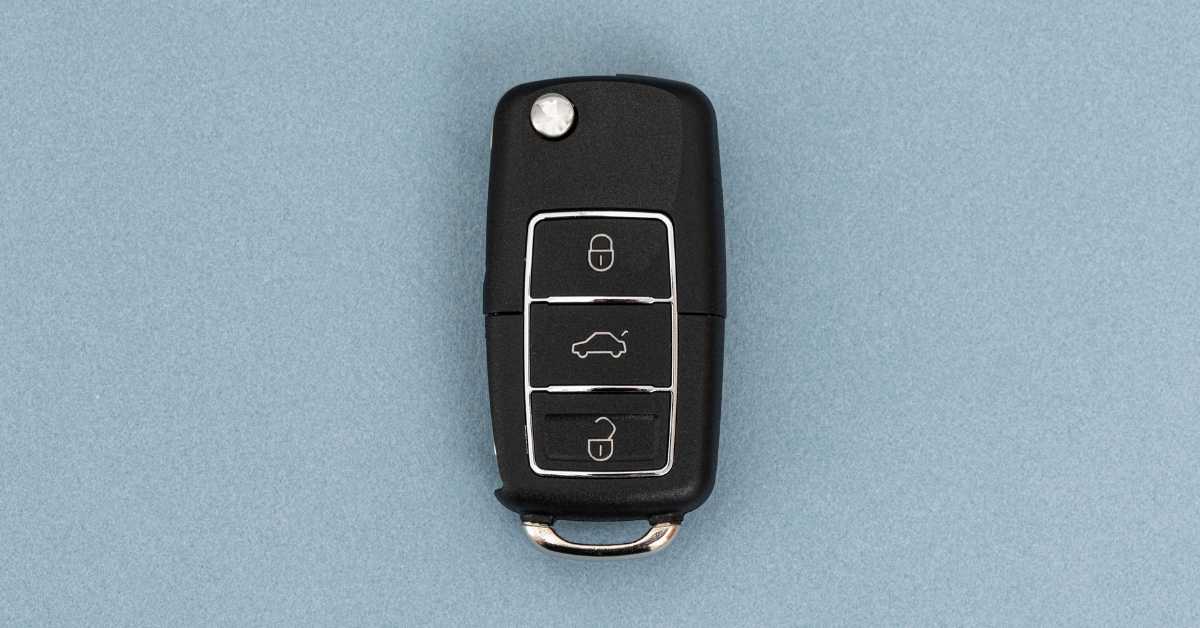
One-way systems are often the entry point for drivers purchasing aftermarket security. These systems allow users to send commands such as lock, unlock, or remote start through a handheld transmitter. They are simple, affordable, and often sufficient for drivers in lower-risk environments.
Their main limitation is lack of confirmation. The owner sends a command but receives no direct feedback confirming whether it succeeded. This can create uncertainty, especially when the vehicle is parked far away or outside direct sight.
Why Two-Way Systems Offer More Confidence
Two-way alarm systems solve the communication gap found in one-way products. These systems send feedback to the owner through a remote or smartphone application. Drivers know immediately whether doors locked, the engine started, or the alarm was triggered.
This added awareness improves peace of mind significantly. For people who park in apartment complexes, office garages, or crowded public areas, immediate notifications can make the difference between catching suspicious activity early and discovering damage much later.
Remote Start and Daily Convenience
Security is often the primary reason drivers buy alarm systems, but convenience features quickly become equally important. Remote start is one of the most appreciated examples. It allows the owner to start the vehicle before entering it, creating a more comfortable cabin environment.
In hot weather, remote start can cool the interior before the driver gets in. In cold weather, it can warm the engine and reduce windshield frost. These benefits improve daily comfort while saving time during busy routines. For many owners, remote start becomes a favorite everyday feature.
Smartphone Integration Has Changed Security
Modern vehicle owners increasingly expect their devices to connect seamlessly, and alarm systems are no exception. Smartphone integration allows drivers to control their vehicles through dedicated applications, often from virtually anywhere.
They can arm or disarm the alarm, check status, unlock doors, or start the engine remotely. Some systems also provide alerts, battery notifications, and location updates. This transforms security from a passive tool into an active connected experience, giving owners more control and awareness than traditional remotes ever could.
Starter Disable Technology
Starter disable technology is one of the most powerful anti-theft tools available. It prevents the engine from starting unless the system recognizes proper authorization. Even if a thief enters the cabin successfully, driving away becomes far more difficult.
This feature works quietly in the background and requires no daily interaction from the owner. Because many theft attempts depend on speed, forcing thieves to spend extra time often causes them to abandon the attempt entirely. That makes starter disable highly effective despite its simplicity.
Daily Driver Security Needs
Most vehicles are used primarily for everyday commuting, errands, school transportation, and family responsibilities. These daily drivers benefit most from balanced security systems that combine reliability and convenience.
Features such as impact detection, remote locking, and smartphone alerts often provide enough protection without unnecessary complexity. A system that fits daily habits tends to produce better satisfaction than one overloaded with rarely used premium functions.
Security for Luxury Vehicles
Luxury vehicles face greater theft risk because of their high resale value and premium parts. Organized theft groups often target these vehicles using more advanced techniques, making stronger security essential.
Owners of luxury vehicles should consider multi-layered systems with encrypted communication, advanced sensors, and rapid alert capabilities. Professional installation becomes even more important because luxury vehicle electronics are often more complex and sensitive than standard models.
Trucks and SUVs Need Specialized Protection
Larger vehicles often carry tools, sports gear, or work equipment, increasing their theft risk. Trucks and SUVs also present more access points and larger cargo areas, which require broader security coverage.
Systems designed for these vehicles may benefit from stronger perimeter monitoring, longer remote range, and additional cargo-area sensors. Security planning should include everything stored inside the vehicle, not just the vehicle itself.
Commercial Vehicle Security
Business vehicles often represent essential operational assets. A stolen van or work truck can interrupt income and create serious logistical problems. For business owners, security is not just about replacement cost but business continuity.
Connected systems with remote alerts and location awareness help fleet owners monitor vehicles more effectively. These tools can reduce downtime and improve recovery speed if theft occurs.
Why Professional Installation Matters
Even a premium alarm system can underperform if installed poorly. Improper wiring can cause false alarms, electrical problems, or battery drain. Hidden components may also be placed poorly, making them easier for criminals to disable.
Professional installers understand vehicle-specific wiring systems and best practices. They know how to hide critical modules, tune sensors, and integrate the alarm without damaging factory electronics. Installation quality directly affects system reliability.
Compatibility With Modern Vehicles
Not every security system works equally well with every vehicle. Older cars may accept aftermarket upgrades more easily because of simpler electronics. Newer vehicles often require specialized integration modules.
Hybrid and electric vehicles may create additional installation challenges because of unique power systems. Buyers should always confirm compatibility before purchase rather than assuming universal support.
Battery Efficiency and Long-Term Reliability
Alarm systems should protect vehicles without creating electrical headaches. Older or poorly designed systems sometimes drain vehicle batteries, especially when cars sit unused for long periods.
Modern systems use efficient standby modes and better power management. Buyers who drive infrequently should still ask about battery performance to avoid future frustration.
Reducing False Alarms
False alarms can damage user trust in a system. If alerts happen too often without real threats, owners begin ignoring them. This reduces effectiveness during genuine emergencies.
Modern systems address this problem through better software, smarter sensors, and installer calibration. A well-tuned system should feel reliable and predictable rather than disruptive.
Customization Improves Satisfaction
No two drivers use their vehicles exactly the same way. Some want loud deterrence, while others prefer silent notifications. Adjustable settings allow owners to tailor alarm behavior.
Common options include sensor sensitivity, silent arming, siren duration, and app notification preferences. This flexibility helps systems remain useful as driver habits change over time.
Understanding Subscription Services
Some advanced features require ongoing service fees. Smartphone apps, GPS tracking, and cloud alerts may involve monthly or annual subscriptions.
These services can add significant long-term cost, so buyers should understand which features require payment. Comparing total ownership cost prevents future surprises.
Insurance Benefits
Many insurance providers reward better vehicle security with lower premiums. Discounts vary by provider and location, but they can help offset installation costs over time.
Drivers should ask insurers whether specific alarm features qualify for savings. Documentation from professional installation may be required.
Maintenance Tips
Security systems benefit from occasional testing. Owners should verify remote function, sensor responsiveness, and alarm activation regularly.
Connected systems may also require software or firmware updates. Preventive attention helps catch small issues before they become major failures.
Common Buying Mistakes
Many buyers focus only on price and ignore installation quality or compatibility. Others purchase premium features they never actually use.
The best buying strategy is honest assessment. Consider parking location, theft risk, daily habits, and budget. Matching the system to real needs usually produces the best results.
Weather and Environmental Factors
Heat, cold, and humidity can affect alarm performance. Extreme temperatures may reduce battery life or change sensor behavior.
Drivers in challenging climates should ask about weather-resistant installation practices and durable components. Long-term reliability depends partly on environmental planning.
Visible Deterrence Still Matters
Visible security discourages crime. Alarm stickers, blinking lights, and recognizable branding can make thieves reconsider targeting a vehicle.
Visible deterrence should support, not replace, real protection. Combined with quality hardware, it becomes a valuable first layer.
Learning More About Vehicle Theft Prevention
Technology works best when combined with smart ownership habits. Parking in visible areas, removing valuables, and using additional deterrents all improve protection. Educational resources such as the National Highway Traffic Safety Administration vehicle theft prevention guide offer practical recommendations that help drivers reduce risk through better daily decisions.
Security should always be viewed as a strategy rather than a single product. The strongest protection comes from combining awareness, good habits, and reliable technology into one complete approach.
How to Choose the Right System
Choosing the right alarm starts with understanding personal priorities. A commuter may prioritize smartphone alerts and reliability. A luxury owner may prioritize layered sensors and immobilization. A business owner may need connected fleet tools.
Budget matters, but value matters more. The best system is not automatically the most expensive one. It is the one that solves the right problems for the specific driver.
Why Long-Term Value Matters
A security system is not just a short-term purchase. It affects daily convenience, insurance costs, and long-term vehicle confidence. Choosing well can improve ownership satisfaction for years.
That long-term perspective helps buyers make better decisions. Instead of focusing only on upfront cost, they should consider reliability, service support, and future flexibility.
Final Thoughts on Viper Car Alarm Systems
Vehicle theft methods continue evolving, which means vehicle security must evolve as well. Drivers who rely solely on basic factory systems may be leaving their vehicles unnecessarily exposed to modern threats.
A thoughtfully selected Viper Car Alarm can provide stronger theft deterrence, smarter alerts, and practical daily convenience. More importantly, it can give vehicle owners something difficult to measure but extremely valuable: confidence every time they walk away from their car.